 Text: 941-666-4638
 Call: 941-666-4638
Cheek Fillers 101: How Mid-Face Volume Affects the Entire Face Shape
Did you know? The true architect of facial youthfulness and structure resides in the mid-face. Your cheeks act as the structural center of the face, providing the scaffolding that supports everything from the under-eyes down to the jawline.
Cheek fillers do more than just add volume to create rounder apples; they help restore the underlying support system that defines your entire facial shape.
Keep reading to learn how strategic mid-face volume influences your overall look, aiming for a balanced, natural approach rather than the overfilled look most discerning people are trying to avoid.
Mid-Face Anatomy
To appreciate the power of cheek fillers, we first need to understand what lies beneath the skin. The mid-face is a complex interplay of the zygomatic arch (cheekbone), deep fat pads, muscles, and ligaments.
In our youth, these fat pads are plump and sit high on the cheekbones, creating a smooth transition from the eyes to the cheeks and a defined, lifted look.
However, aging is a multifaceted process. We experience bone resorption, meaning our cheekbones actually shrink slightly over time.
Simultaneously, the deep fat pads deflate and slide downward due to gravity and weakened ligaments, causing mid-face flattening and cascading effects in the lower face. Weight changes and genetics also play significant roles in how early or severely this volume loss occurs.
How Cheek Volume Shapes the Entire Face
The cheeks are the keystone of the facial arch. When volume is restored here, the benefits ripple outward to surrounding areas.
Relationship Between Cheeks and the Lower Face:
Think of the face as a draped fabric. If you lose the support (the cheeks) at the top, the fabric (skin) droops downward. By restoring volume to the cheeks, we effectively “re-drape” the skin, lifting the lower face.
Impact on Nasolabial Folds:
Those deep lines running from the nose to the mouth are often not caused by an issue with the mouth area itself, but by the heavy, descending cheek tissue above them. Lifting the cheek back to its youthful position naturally softens these folds without needing to inject heavy fillers directly into the smile lines.
Support for Under-Eye Hollows:
The transition from the lower eyelid to the cheek should be smooth. When cheeks flatten, this transition becomes abrupt, creating dark shadows or hollows (tear troughs). Cheek fillers provide a supportive shelf under the eyes, often reducing the appearance of tiredness more effectively than treating the eyes alone.
Influence on Jawline Definition:
By lifting the mid-face tissues, we reduce the heaviness that accumulates along the jawline (jowls), creating a sharper, more defined profile. The goal is subtle changes that make the face look rested and lifted rather than “done.”
Also Read: The Best Injectable Treatments by Facial Area: Forehead to Jawline
Signs You May Benefit From Cheek Filler
- Flattening or Sagging: If your cheeks look flatter than they used to, or if the “apple” of your cheek has seemingly dropped lower.
- Shadows and Hollowness: Persistent shadows under the eyes or a sunken look in the mid-face area.
- Loss of Contour: If your face shape feels more “square” or bottom-heavy than the “heart shape” of youth.
- Makeup Application: You might notice your blush or contour powder doesn’t sit where it used to, or foundation settles into folds around the nose.
- Looking Tired: Friends or colleagues asking if you are tired even when you are well-rested is a classic sign of mid-face volume loss impacting your overall expression.
Types of Dermal Fillers Used for Cheeks
The most common fillers used for the cheeks are hyaluronic acid (HA) based. HA is a naturally occurring substance in the body that attracts and holds moisture.
Not all HA fillers are the same. For the cheeks, we typically use fillers with a higher “G-prime,” meaning they are firmer and more structural. These products are designed to mimic bone and deep fat, providing significant lift and projection. Softer fillers are generally reserved for surface smoothing or lips.
Brands like Juvederm Voluma or Restylane Lyft are engineered specifically for this area. Choosing the right product is critical for safety, longevity, and achieving that structural lift without the product spreading or looking “puffy.” This selection is where injector expertise is paramount.
Also Read: Everything You Need to Know About Hyaluronic Acid Fillers
The Cheek Fillers Treatment Process
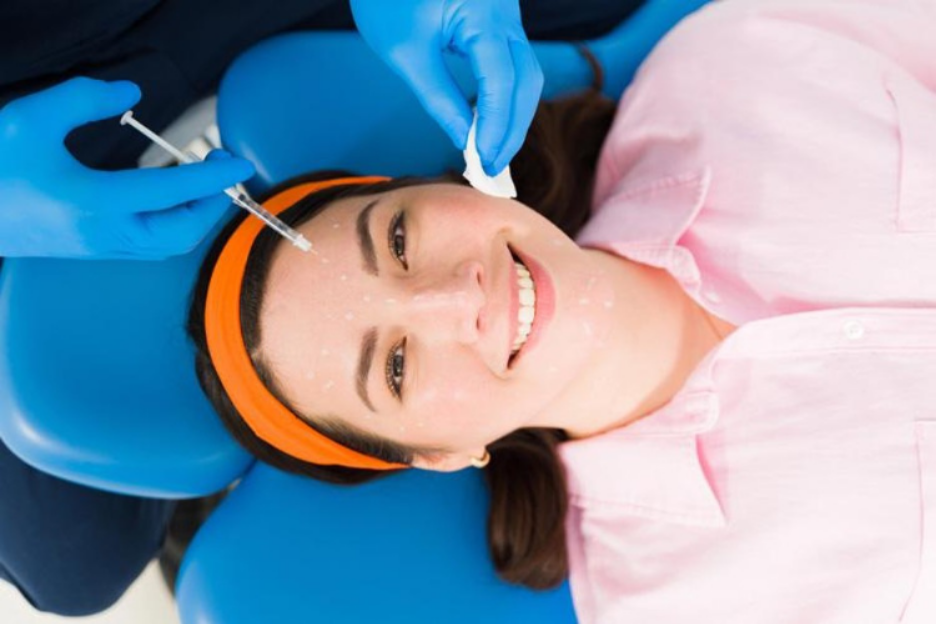
- Facial Mapping: Your provider will examine your face, noting asymmetry and areas of volume loss. They will map out precise injection points to ensure safety and balance.
- The Procedure: After applying a topical numbing cream, the injector will use a fine needle or a cannula (a blunt-tipped tool that reduces bruising) to place the filler. You may feel pressure, but modern fillers contain lidocaine to minimize discomfort.
- Time: The actual injection process typically takes 30 to 45 minutes.
- Results: You will see an immediate lift and restoration of volume. However, final results are best judged after swelling subsides.
Recovery and What to Expect After Treatment
Cheek fillers are a “lunchtime procedure” with minimal downtime. Mild swelling, tenderness, and bruising at the injection site are common and usually resolve within a few days.
It can take up to two weeks for the filler to fully integrate with your tissue and for any residual swelling to disappear. This is when the final result is revealed.
Most patients return to work or normal activities immediately, though we recommend avoiding strenuous exercise for 24-48 hours to minimize swelling.
How Long Do Cheek Fillers Last
Mid-face fillers are among the longest-lasting hyaluronic acid injectables. You can expect results to last anywhere from 12 to 24 months.
Longevity depends on your metabolic rate (how fast your body breaks down the product), your activity level, and the specific product used. Structural fillers placed deeply tend to last longer than softer fillers.
Maintenance doesn’t mean starting over. Often, smaller “touch-up” treatments once a year are sufficient to maintain the lift.
Who Is and Is Not a Good Candidate
Ideal Candidates: Healthy adults with mild to moderate volume loss, flat cheekbones, or visible asymmetry who want a non-surgical lift.
Not Recommended: Patients with active skin infections, uncontrolled autoimmune conditions, or unrealistic expectations. Also, if skin laxity is severe, fillers alone may not be sufficient and could result in an unnatural look if used to “fill out” loose skin.
Long-Term Facial Balance and Aging Gracefully
Cheek fillers are a long-term strategy for aging well. By maintaining structural support in the mid-face, you prevent the rapid descent of lower facial tissues. This proactive approach helps maintain facial harmony as features change over the decades.
Cheek fillers are about structure, not exaggeration. When done correctly, they provide a powerful, yet subtle, lift that refreshes the entire face. The eyes look brighter, the jawline looks crisper, and the face looks rested.
Prioritizing balance, proportion, and individualized care is the key to a beautiful outcome. If you feel your mid-face is affecting your overall look, we encourage you to schedule a consultation for a personalized assessment. Discover how restoring the architectural center of your face can revitalize your entire appearance.
For expertly injected cheek fillers in Lakewood Ranch, book an appointment today at Elite Medical Spa of Lakewood Ranch to get started.