 Text: 941-666-4638
 Call: 941-666-4638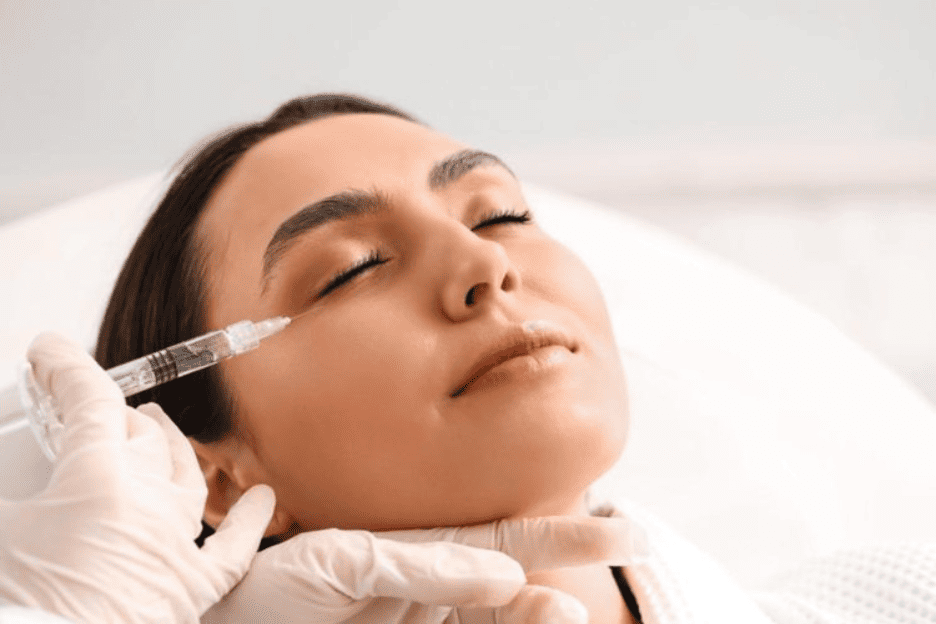
Treating Under-Eye Hollows With Fillers: What You Need to Know
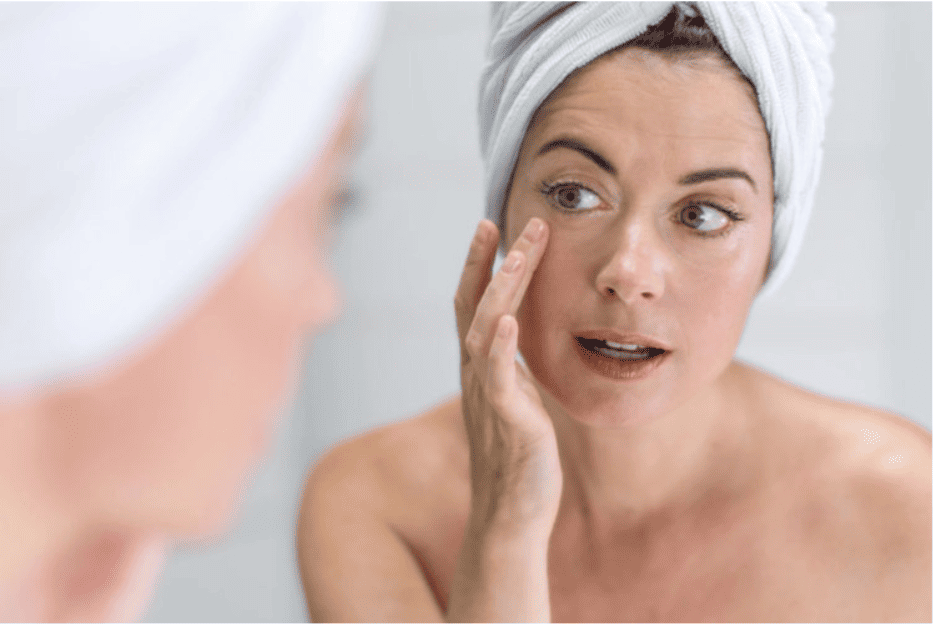
Looking tired and older than you feel is a common frustration that comes with the aging process, especially when under-eye hollows persist despite good sleep, hydration, and skincare. These under-eye hollows, often linked to tear troughs, can cast shadows that make the face appear less rested.
Tear trough filler can restore lost volume beneath the eyes and soften the appearance of under-eye hollows, but candidacy depends on anatomy, skin quality, and the primary cause of the concern. Not every under-eye issue responds to volume restoration.
At Elite Medical Spa of Lakewood Ranch, our providers evaluate each patient’s facial anatomy, concerns, and goals before determining whether under-eye filler may be appropriate. Keep reading to learn more about filler for under-eye circles and what you can realistically expect from professional treatment.
Key Takeaways
- Under-eye fillers can reduce the appearance of hollows by carefully restoring volume, particularly when volume loss contributes to a sunken or tired appearance.
- Tear troughs develop from changes in facial volume, anatomy, and skin structure; dermal fillers can soften the transition between the lower eyelid and cheek.
- Properly selected and precisely placed filler can create a more rested appearance while maintaining natural facial proportions.
- The under-eye area requires specialized knowledge because filler is not appropriate for every patient or every type of dark circle or under-eye concern.
Also Read: Can Injectables Replace a Facelift for Early Aging?
What Causes Under-Eye Hollows and Tear Troughs?
The tear trough is the natural depression that runs from the inner corner of the eye downward and outward along the lower eyelid toward the upper cheek. In a youthful face, this transition is relatively smooth but over time, or due to individual anatomy, it can become more pronounced.
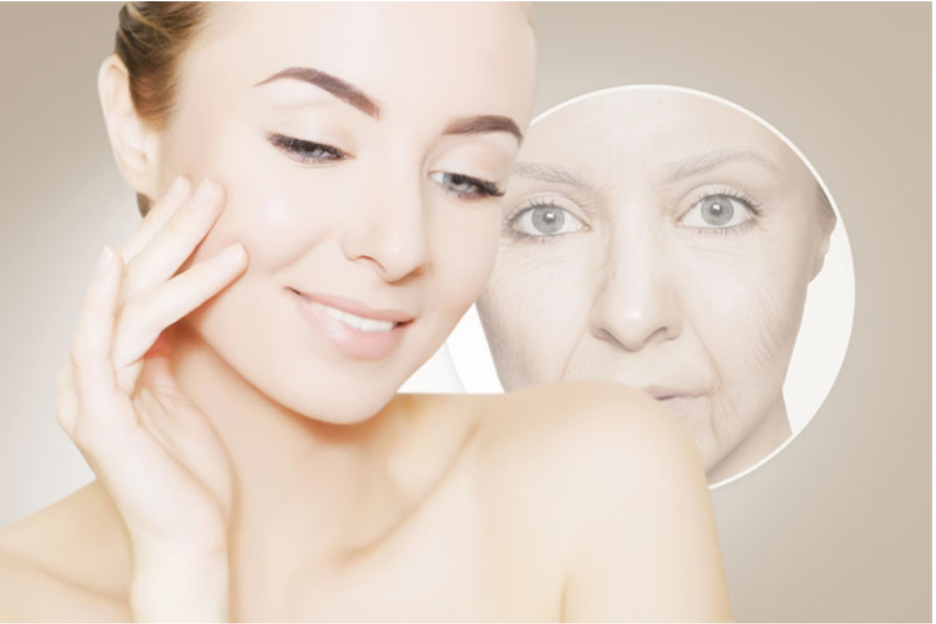
Age-related changes in facial volume and support can make tear troughs more noticeable over time. Fat pads beneath the eyes and in the midface can diminish or shift, reducing support and creating a hollowed look. Genetics influence bone structure and the depth of the trough from an early age, but skin thickness, fat distribution patterns, and gradual changes in the supporting tissues all contribute. As the skin thins and loses elasticity, the indentation and any underlying shadows become more noticeable.
Under-eye hollows that can be treated with filler are different from other concerns that create a similar appearance. For example, pigmentation can cause true dark circles unrelated to volume, and puffiness or under-eye bags result from fluid retention or protruding fat pads. Shadows may also arise from lighting, skin texture, or a combination of factors.
Because not every under-eye concern is caused by volume loss, identifying what is creating the hollowed or dark appearance is an important part of the evaluation.
How Do Under-Eye Fillers Work?
Dermal fillers add carefully controlled volume in the under-eye region. When placed with precision in appropriate patients, tear trough filler softens the visible indentation between the lower eyelid and the cheek. This can reduce the harsh shadow that makes hollows appear deeper and create a smoother facial transition.
Hyaluronic acid fillers are among the products used for infraorbital hollowing. Product selection and placement depend on the patient’s anatomy, treatment goals, and the characteristics of the specific filler.
Restoring under-eye volume does not change the underlying bone structure or permanently stop the aging process. Instead, it provides subtle structural support that can make the area look less sunken and more refreshed. The goal is measured correction rather than dramatic filling.
Who Is a Good Candidate for Under-Eye Filler?
Good candidates often share certain characteristics, including:
- Visible tear troughs
- Mild to moderate volume loss
- Hollowing beneath the lower eyelids
- Reasonably good skin quality
- Realistic expectations about what filler can achieve
Fillers may not be the best option in every case because prominent under-eye bags, significant skin laxity, or concerns driven primarily by pigmentation often require different approaches. In some situations, addressing volume alone could worsen the appearance or produce unsatisfactory results.
During the initial consultation, a provider evaluates the specific anatomy, distinguishes volume-related hollows from pigment, puffiness, or laxity, and determines whether filler is appropriate. Treatment considerations differ markedly for pure volume loss versus pigmented dark circles, under-eye puffiness, or excess skin. Selecting the right approach begins with understanding the dominant cause of the concern.
Also Read: Non-Surgical Facelift: Injectables That Are the Fountain of Youth (Almost)
What Can Under-Eye Fillers Improve?
When volume loss is a primary factor, under-eye fillers may improve the appearance of under-eye hollows, tear troughs, shadowing beneath the eyes, and the transition between the lower eyelid and cheek. By reducing the depth of the indentation, the treatment can lessen the shadowed look that contributes to a tired appearance associated with facial volume loss.
As far as filler for dark circles under the eyes, it may help when the darkness is caused partly by shadowing from hollowing. It does not correct pigment-based dark circles, which involve melanin or other color changes in the skin. Results vary according to individual anatomy, skin quality, the specific filler selected, and the precision of placement technique. Clear separation of volume-related concerns from those needing alternative treatments helps patients get better results and set appropriate expectations.
What to Expect From Under-Eye Filler Treatment
The process starts with a thorough consultation and assessment wherein the provider examines the under-eye area in different lighting and expressions, reviews medical history, discusses goals, and determines whether filler is suitable. If treatment proceeds, the appropriate product and volume are selected based on the anatomy.
Treatment in the delicate under-eye region emphasizes precision and conservative placement. The area is prepared, and the filler is introduced carefully, often using techniques designed to minimize trauma and achieve even distribution. Most sessions occur in an office setting.
Common short-term effects include mild swelling, tenderness, or bruising. These typically resolve over several days to a week or two. Patients may notice a change immediately, although the appearance can continue to change as temporary swelling subsides. Individual responses will vary, so the timeline for seeing settled results is not identical for everyone.
As with other dermal filler treatments, under-eye injections also carry less common but potentially serious risks. Accidental injection into a blood vessel can interrupt blood flow and, although rare, may result in tissue injury, vision problems including blindness, or stroke. Other possible complications include infection, nodules, asymmetry, persistent swelling, or unwanted contour changes. These risks are one reason provider training, knowledge of facial anatomy, appropriate product selection, and careful patient evaluation are particularly important in the under-eye area.
How Long Do Under-Eye Fillers Last?
How long an under-eye filler lasts depends on the specific product, amount used, individual anatomy, and other patient-specific factors. FDA-approved products for infraorbital hollowing have product-specific clinical data, so expected duration should be discussed based on the filler being used rather than treated as a universal timeline.
If the effect diminishes over time, additional treatment may be considered after reassessment. Adding more filler automatically on a fixed schedule is not appropriate for every patient.
Also Read: Med Spa Treatments That Actually Work: What’s Worth Investing In
Frequently Asked Questions
Can fillers treat under-eye hollows?
Yes, when volume loss is a primary contributor, carefully placed dermal fillers can restore support and soften the appearance of under-eye hollows and tear troughs. Candidacy depends on individual anatomy and the specific cause of the concern.
What is tear trough filler, and how does it differ from other dermal fillers?
Tear trough filler refers to dermal filler used to improve hollowing between the lower eyelid and upper cheek. Certain hyaluronic acid fillers have FDA-approved indications for infraorbital hollowing, while other filler products are approved for different facial areas. Product selection should be based on the treatment area, patient anatomy, and the specific filler’s approved use and characteristics.
How long do under-eye fillers last?
Duration varies by product, metabolism, and individual factors. Many patients experience results lasting several months to over a year before gradual metabolization occurs. Maintenance is individualized.
Are under-eye fillers safe for everyone with dark circles or hollows?
No. Fillers are not appropriate for every patient or every type of under-eye concern. Pigmentation, significant bags, or marked skin laxity may require different treatments. Professional assessment is necessary to determine suitability and minimize risks.
What are the risks of under-eye filler?
Common short-term effects can include swelling, redness, tenderness, and bruising. Less common complications include infection, nodules, persistent swelling, asymmetry, or unwanted contour changes. Rarely, filler entering a blood vessel can cause serious complications such as tissue injury, vision problems including blindness, or stroke. Discuss the risks of the specific filler and treatment area with your provider before proceeding.
How can Elite Medical Spa help with under-eye fillers in Lakewood Ranch?
Elite Medical Spa provides individualized consultations to evaluate anatomy, discuss goals, and determine whether under-eye filler is appropriate. When indicated, treatment focuses on precise, conservative placement tailored to the patient.
Explore Under-Eye Filler in Lakewood Ranch
Under-eye filler may soften hollows and shadowing when volume loss is contributing to the concern, but it is not appropriate for every type of dark circle, puffiness, or age-related change around the eyes.
If you are considering under-eye filler in Lakewood Ranch, schedule a consultation at Elite Medical Spa to have your concerns and facial anatomy evaluated and discuss whether filler may be an appropriate option.
Disclaimer: This article was written under the guidance of licensed dermal filler providers at Elite Medical Spa of Lakewood Ranch. This information is for educational purposes only and is not a substitute for a professional, in-person evaluation from a licensed provider.