 Text: 941-666-4638
 Call: 941-666-4638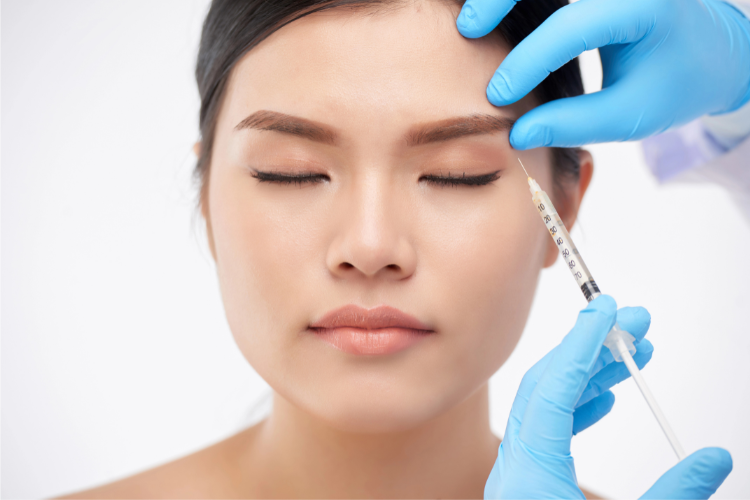
4 Signs You May Be Ready for Botox Treatment
The mirror is the first place we notice the subtle passage of time that leaves its mark on our faces. For Florida residents, the combination of a vibrant, active lifestyle and frequent sun exposure can accelerate the visible signs of skin aging.
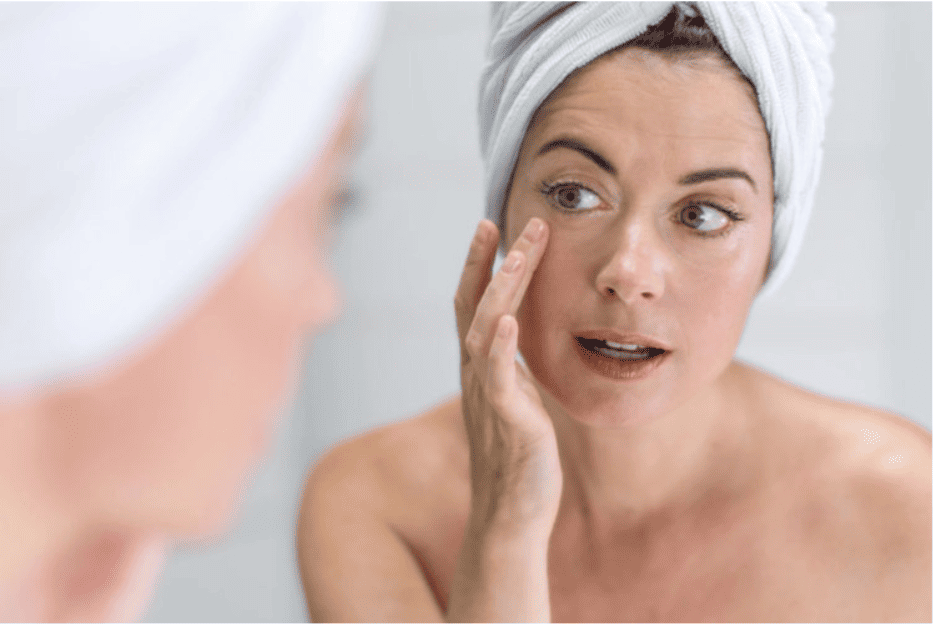
You might be leaning in closer to the glass, noticing a faint shadow between your brows that wasn’t there last year. Maybe you’ve started to notice that your face looks tense even when you are perfectly relaxed. Or both.
When these subtle changes in the mirror start to stand out, it is natural to begin researching options to correct them. Botox treatment has morphed from a Hollywood secret to a standard component of modern self-care and professional maintenance.
As the most popular non-surgical aesthetic procedure globally, it helps soften facial wrinkles and restore vitality to the face. However, knowing exactly when to start is a bit nuanced.
This guide will explore the physiological signs of aging, the science behind Botox treatment, and how a professional consultation at Elite Medical Spa Lakewood Ranch can help put you on the best path forward. Here’s what you need to know:
What Exactly Is Botox and How Does It Work?
Every time we laugh, squint at the Florida sun, or concentrate on a computer screen, our muscles contract, folding the overlying skin. These are called dynamic wrinkles.
In our youth, our skin has high levels of collagen and elastin, allowing it to snap back into place once the expression ends. But as we age, the constant repetition of these movements, combined with a natural decline in skin elasticity, causes these folds to deepen.
Eventually, dynamic wrinkles become static wrinkles, meaning they are visible even when the face is at rest.
Botox (Botulinum Toxin Type A) is a purified protein that acts as a neuromodulator. Its primary function is to temporarily intercept the chemical signals sent from nerves to specific facial muscles.
Botox treatment relaxes facial muscles, preventing the skin from folding and allowing existing fine lines to smooth out over time. Common treatment areas include the forehead lines, the “11s” or frown lines between the eyebrows, and the crow’s feet at the corners of the eyes.
Also Read: Botox, Juvederm, Radiesse and Xeomin: Which Injectable Treatment Is Right for You?
4 Early Signs You May Be Ready for Botox
Many patients ask us how to know if they need Botox, and although there is no correct age to start, there are several clinical and visual indicators that your skin could benefit from neuromodulators:
1. Expression Lines That Remain After Your Face Relaxes
This is the most definitive sign that you are ready for a consultation. You can perform a simple test: frown deeply, then relax your face completely.
If you can still see faint “11 lines” between your brows or horizontal forehead lines after your muscles have stopped moving, these are the early signs of wrinkles that need Botox. At this stage, the skin is beginning to lose its ability to repair the crease left by the muscle. Intervening now can prevent these lines from becoming deep, permanent furrows.
2. Wrinkles That Become More Noticeable in Photos
Digital photography, especially in the high-contrast lighting of Lakewood Ranch, can be a harsh critic. Many patients realize they are ready for treatment when they see a photo of themselves laughing or smiling and notice that their crow’s feet or frown lines appear much deeper than they realized.
If you find yourself wanting to edit your photos or feeling self-conscious about how your skin bunches up during expressions, it is a sign that a neuromodulator could help create a smoother, more photogenic appearance.
3. You Look Tired Even When You Feel Well-Rested
Chronic tension in the procerus and corrugator muscles (the frown complex) can pull the brow downward and inward. This creates a heavy look that others often interpret as fatigue, anger, or stress.
If people frequently ask if you are tired or okay, even when you’ve had eight hours of sleep, it may be due to muscular hypertonicity. Relaxing these muscles with Botox can open up the eye area, providing a fresher, more approachable look.
4. Makeup Beginning to Cake in Fine Lines
If you notice that your foundation or concealer is settling into horizontal lines on your forehead or crinkles around your eyes by midday, it is a sign of skin folding. By reducing the movement that causes these folds, your skin remains a smoother canvas for your skincare and makeup routine.
Common Treatment Areas for Botox
- Forehead Lines: These horizontal rows appear when we raise our eyebrows. Because the forehead is a large, flat area, natural-looking Botox results here require a delicate touch to avoid a heavy brow.
- Frown Lines Between the Brows: Often called “11 lines,” these contribute most to an angry or stressed appearance. They are often the first area patients choose to treat.
- Crow’s Feet: The fine lines branching from the outer corners of the eyes. These are caused by the orbicularis oculi muscle and are prominent during smiling.
- Brow Lift: By strategically relaxing the muscles that pull the eyebrow down, a skilled provider can create a subtle, non-surgical lift.
Also Read: The Best Injectable Treatments by Facial Area: Forehead to Jawline
What to Expect Getting Botox for the First Time
If it is your first time getting Botox, it is normal to feel a bit nervous. However, the procedure is remarkably quick and straightforward, which is why it’s often referred to as a “lunchtime procedure.”
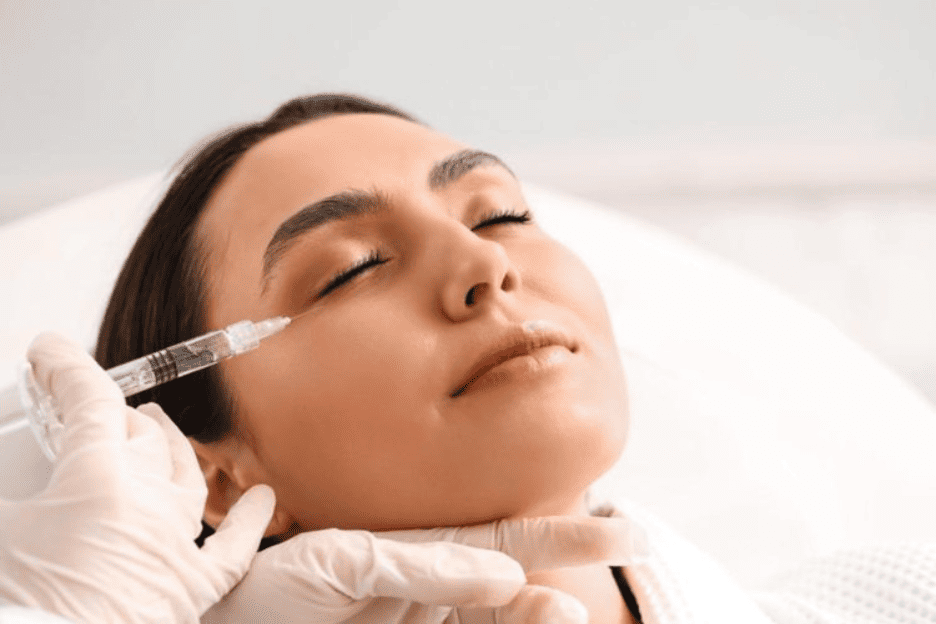
The needles used for Botox injections are extremely fine, similar to an acupuncture needle. Most patients describe the feeling as a tiny pinch or a mosquito bite, not a painful shot.
The actual injection process usually takes less than 10-15 minutes, and there is no downtime. You may have tiny red bumps at the injection sites that look like bug bites, but these typically disappear within 20 to 30 minutes.
You can return to work or your daily errands immediately, provided you follow the post-care instructions, such as avoiding lying down for 4 hours and vigorous exercise for 24 hours.
Results, Timing, and Longevity
One of the most important things for a first-timer to know is that Botox is not an instant fix. Here’s what you can expect as far as results, timing, and longevity are concerned:
- Initial Onset: You will start to feel a tightening or heaviness in the treated area within 3 to 5 days.
- Full Results: It takes a full 10 to 14 days for the neuromodulator to reach its peak effect. This is when you will see the maximum softening of your fine lines.
- Longevity: On average, results last 3-4 months. As the protein is naturally metabolized by your body, muscle movement will gradually return, and lines will begin to reappear. Regular Botox maintenance appointments help keep the muscles relaxed and the skin smooth.
Also Read: How to Maintain Natural Movement After Botox: Expert Tips That Work
Expert Botox Treatment in Lakewood Ranch
Expression lines are a natural part of a life well-lived, reflecting every smile and moment of focus. However, they do not have to define your look. Whether you are looking to erase deep-set furrows or are curious about how to tell if fine lines need Botox, the advanced treatments available today offer a safe, effective, and minimally invasive solution.
Choosing an expert provider who understands the nuances of facial harmony can help you reclaim a smoother, more youthful complexion while maintaining the essence of your natural beauty.
If you are starting to notice expression lines or simply want to explore preventative treatments, Botox may be an option worth considering. Our team at Elite Medical Spa Lakewood Ranch can evaluate your concerns and help customize a treatment plan for your specific goals and anatomy.
Schedule your Botox consultation today at Elite Medical Spa of Lakewood Ranch and take the first step toward a more refreshed, more confident you.