 Text: 941-666-4638
 Call: 941-666-4638
How Weight Loss Can Change Facial Volume and Contour
Reaching a weight-loss goal can bring noticeable changes beyond the number on the scale. Cheeks that once looked fuller may appear flatter, the jawline may become more defined, or hollows around the temples and under the eyes may look more pronounced.
Weight loss can reduce facial fat and alter facial volume, making the face look thinner or more angular. How noticeable these changes become depends on factors such as the amount of weight lost, age, genetics, baseline facial structure, and skin elasticity. At Elite Medical Spa of Lakewood Ranch, patients concerned about these changes can discuss whether facial rejuvenation treatments may be appropriate for the areas they want to address.
Key Takeaways
- Weight loss can reduce facial fat as well as body fat, which may make the cheeks, temples, under-eye area, and jawline appear different.
- Changes in facial fat compartments, skin elasticity, and overall tissue support can alter facial contour after significant weight loss.
- Facial volume restoration and skin-tightening treatments may help address changes in appearance when appropriate for the individual.
- Not everyone experiences the same degree of facial change after weight loss; age, genetics, amount of weight lost, skin elasticity, and baseline facial structure all influence the result.
How Does Weight Loss Affect Facial Volume?
The face is not a single pad of fat; it contains multiple distinct fat compartments that sit at different depths and locations. These compartments provide soft-tissue support, create gentle curves over the cheekbones, soften the under-eye area, and contribute to a smooth transition from the temples to the midface and lower face.
When overall body fat decreases, facial fat loss frequently happens as well. Reduction in these compartments changes facial proportions, so the cheeks may lose projection, the temples can look more hollow, the under-eye region may show greater shadowing, and the lower face can appear less supported. For some people, these changes create greater facial definition, while others notice more pronounced hollowing or a gaunt appearance.
The degree of facial volume change varies considerably. Age, skin elasticity, amount of weight lost, baseline facial structure, and individual fat distribution can all influence whether weight loss creates greater definition, more noticeable hollowing, or a combination of changes.
Genetics, baseline facial structure, and the distribution of fat before weight loss all play roles. These volume changes are a normal response to reduced body fat rather than a pathological process, yet they can influence how the face ages visually.
Also Read: Non-Surgical Facelift: Injectables That Are the Fountain of Youth (Almost)
How Losing Weight Can Change Your Face Shape
Significant weight loss commonly produces several recognizable face changes. For example:
- Cheekbones may become more prominent as overlying fat decreases.
- Cheek fullness often diminishes, creating a flatter midface.
- The jawline frequently gains definition as soft tissue thins.
- Hollows around the temples or eyes can become more noticeable, and overall facial proportions may shift toward a longer or more angular look.
As overall body fat decreases, facial fat may decrease as well, but the degree and distribution of facial change vary considerably from person to person. Some people notice relatively little change in their face, while others develop more visible changes in the cheeks, temples, under-eye area, or jawline.
Ultimately, how losing weight affects face shape depends on where fat was originally stored and on the underlying bone structure. Someone with naturally full cheeks may transition to a more contoured appearance that feels refreshing. On the flip side, another person may perceive the same degree of facial fat loss as unwanted hollowness or loss of youthful softness.
Weight Loss, Facial Aging, and Skin Laxity
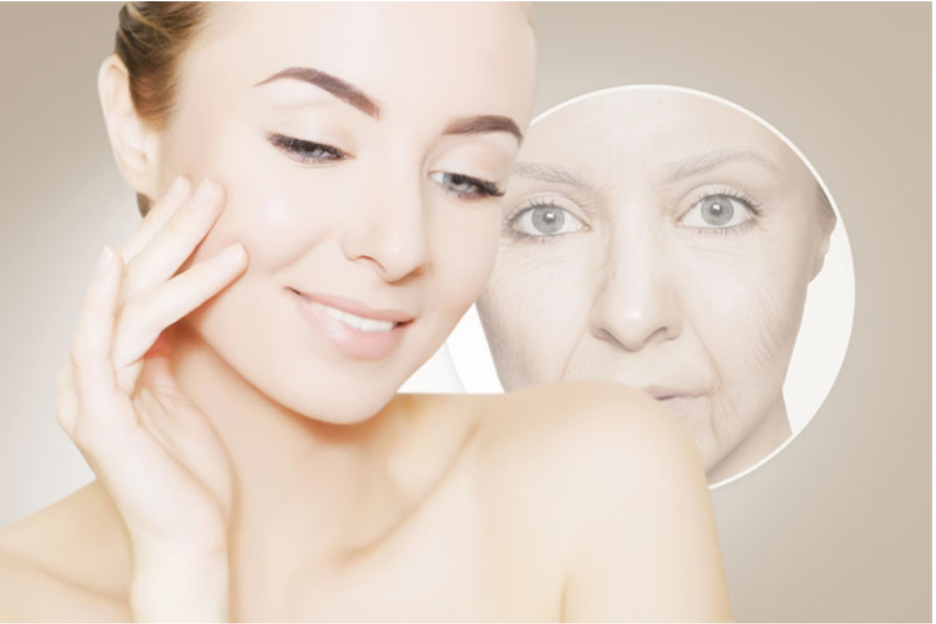
Weight loss and facial aging intersect with volume reduction. When facial fat decreases, existing lines, folds, or hollows often become more apparent simply because there is less tissue to smooth the surface. The face can appear older even if chronological age has not changed.
Collagen and elastin contribute to the skin’s structure and elasticity. With age, these proteins decline, so the skin’s ability to contract after volume loss lessens. Substantial weight loss can therefore make skin laxity more noticeable, especially along the jawline, cheeks, and neck. Loose or less-supported skin may drape differently once the underlying fat compartments shrink.
Facial aging is a multifactorial phenomenon, as age, genetics, cumulative sun exposure, and natural shifts in facial bone structure all contribute. Weight loss does not directly cause premature aging; rather, the reduction in facial volume can reveal or accentuate changes that were already underway. Understanding this distinction can help patients set realistic expectations about what facial rejuvenation can and cannot achieve.
Also Read: Can Injectables Replace a Facelift for Early Aging?
Can Facial Volume Be Restored After Weight Loss?
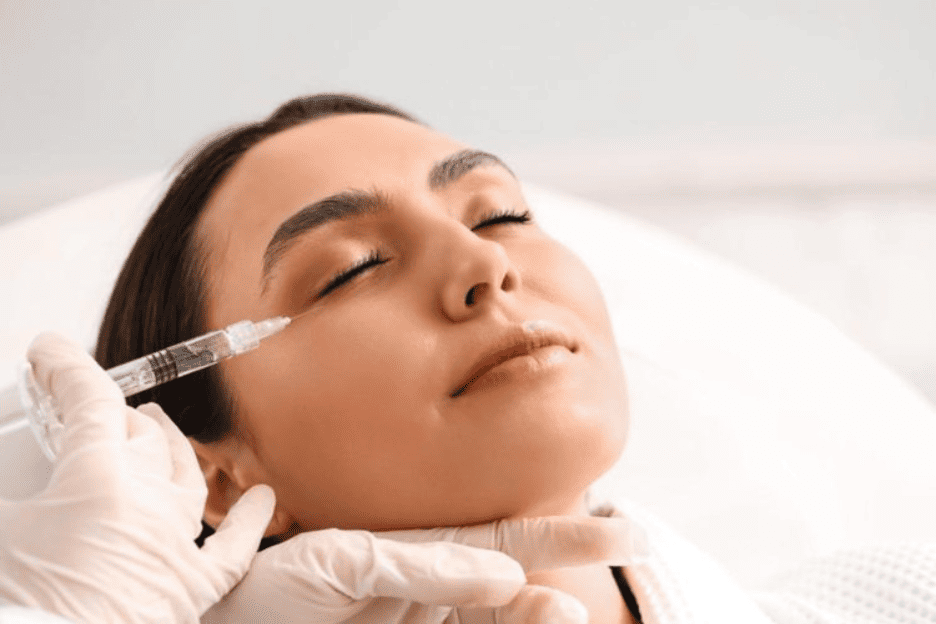
Injectable treatments can address selected areas of facial volume loss after weight loss when a patient desires greater fullness or improved contour. Dermal fillers may be used to restore volume or support in selected facial areas when appropriate. Depending on the patient’s anatomy and concerns, treatment may involve the cheeks, temples, under-eye area, or other regions affected by changes in facial volume.
Volume restoration is different from treatments focused primarily on skin laxity or surface texture. Different dermal filler products have different characteristics and approved uses, so product selection depends on the treatment area and the type of correction being considered. The goal is proportional restoration versus adding the maximum possible volume. A conservative, anatomy-based approach allows treatment to focus on selected areas without simply adding as much volume as possible.
What to Expect From Facial Rejuvenation After Weight Loss
The treatment approach depends on the procedure, areas being addressed, degree of volume change, and individual anatomy. Some patients may be treated in a single session, while others may have treatment planned in stages when appropriate.
The face continues to age and change naturally after treatment. Long-term maintenance may involve periodic assessment and, when appropriate, additional volume support or skin-quality treatments. Setting clear expectations around longevity and the ongoing nature of facial aging supports satisfaction with the process.
Also Read: Med Spa Treatments That Actually Work: What’s Worth Investing In
Frequently Asked Questions
How does weight loss change facial volume?
Weight loss can reduce facial fat along with fat elsewhere in the body, which may change fullness in areas such as the cheeks, temples, and under-eye region. The amount and location of facial volume change vary based on factors such as genetics, age, baseline facial structure, skin elasticity, and the amount of weight lost.
Can losing weight change your face shape?
Yes. Changes in facial fat can make the cheekbones or jawline appear more defined, reduce fullness through the midface, or make hollows around the eyes and temples more noticeable. Not everyone experiences these changes to the same degree or in the same areas.
Why does my face look older after weight loss?
Reduced facial volume can make existing hollows, folds, and changes in skin laxity more noticeable. Weight loss does not necessarily accelerate biological facial aging, but losing some of the soft-tissue volume that previously supported facial contours can make age-related changes more visible.
Can facial fillers restore volume lost after weight loss?
Dermal fillers may restore volume or support in selected facial areas for appropriate candidates. Treatment may be considered for areas such as the cheeks, temples, or under-eye region depending on the patient’s anatomy and the cause of the concern. Fillers do not reverse every facial change associated with weight loss.
Is facial volume loss after weight loss permanent?
Facial appearance can continue to change with weight fluctuations, aging, and other individual factors, so there is no universal answer. If your weight has stabilized but facial hollowing or contour changes remain noticeable, an evaluation can help determine whether the concern involves volume loss, skin laxity, or a combination of changes.
What facial rejuvenation options are available after weight loss in Lakewood Ranch?
Options depend on whether the primary concern is lost facial volume, skin laxity, texture, or a combination of changes. Elite Medical Spa of Lakewood Ranch can evaluate facial anatomy and skin quality and discuss available options, which may include dermal fillers or treatments aimed at skin quality and firmness when appropriate.
Addressing Facial Changes After Weight Loss in Lakewood Ranch
Weight loss can change facial volume and contour, but the degree and location of those changes vary considerably. Hollowing, reduced cheek fullness, greater facial definition, and changes in skin laxity may each call for a different approach.
If changes in facial volume or contour after weight loss are bothering you, schedule a consultation at Elite Medical Spa of Lakewood Ranch. An evaluation can help distinguish volume loss from skin laxity and other concerns and determine which facial rejuvenation options, if any, may be appropriate.
Disclaimer: This information is for educational purposes only and is not a substitute for an individualized evaluation. Treatment suitability, risks, and expected results should be discussed with an appropriately qualified provider before proceeding.