 Text: 941-666-4638
 Call: 941-666-4638
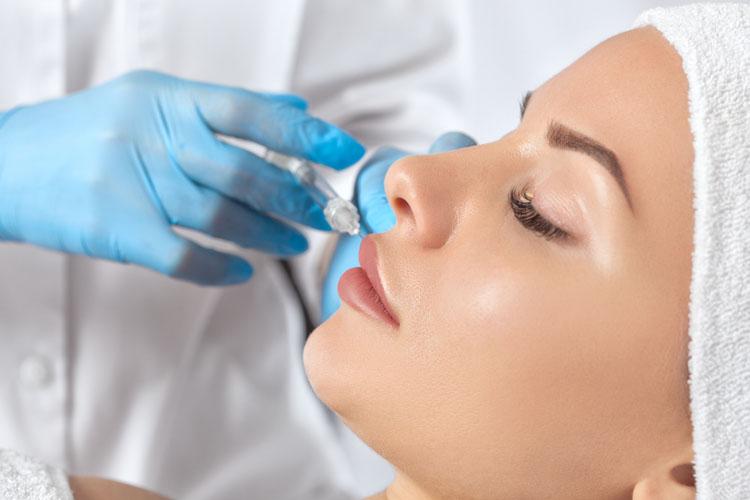
What Causes Small Lumps After Dermal Filler Injections?
Small lumps after dermal filler injections are usually caused by temporary swelling, uneven filler distribution, or product placed close to the skin’s surface. Most early bumps improve as the treated area heals, although persistent or newly developing lumps may need professional evaluation.
Feeling a small bump beneath your skin after filler injections can be surprising, especially when you expected a smooth, natural-looking result. Fortunately, many of these irregularities are temporary. What matters most is when the lump appeared, whether it’s changing, and whether you’re experiencing other symptoms.
At Elite Medical Spa Lakewood Ranch, we want patients to feel comfortable asking questions about their results. Understanding what’s normal after filler injections can help you recognize when to allow more healing time and when to contact your injector.
Why Do Small Lumps Form After Dermal Filler Injections?
Some swelling is expected after dermal filler injections. The injection process causes a temporary inflammatory response, while hyaluronic acid fillers such as Juvéderm and Belotero attract water. Together, these effects can make the treated area feel slightly raised, tender, or uneven during the first several days.
As swelling subsides, these bumps often become less noticeable. However, swelling isn’t the only possible cause.
Filler concentrated in a small area or placed too close to the skin’s surface can sometimes create a visible or palpable lump. The product itself also makes a difference. Thicker fillers used to restore facial volume behave differently from softer formulations designed for delicate areas.
Facial anatomy plays a role as well. Thin skin and areas that move frequently, such as the lips, may make small irregularities more noticeable. Even with careful injection techniques, some patients experience temporary unevenness while the filler settles.
Also Read: The Best Injectable Treatments by Facial Area: Forehead to Jawline
Can Dermal Filler Lumps Develop Weeks or Months Later?
Yes. Although most early bumps are associated with swelling or filler placement, some lumps develop weeks or months after treatment.
These delayed nodules may result from inflammation, an immune response, or, less commonly, infection. They can feel firmer than ordinary swelling and may be accompanied by redness, tenderness, or changes in the surrounding tissue.
A lump that appears long after your appointment should be evaluated rather than assumed to be normal. Your injector can assess the area and determine whether further treatment is appropriate.
How Can You Tell Normal Swelling From a Filler Complication?
The timing and appearance of a lump can offer useful clues, although an examination may be necessary to identify its cause.
Temporary swelling usually feels soft or slightly tender and gradually improves over several days. A small bump that becomes less noticeable each day is generally more reassuring than one that grows, becomes increasingly painful, or appears after the initial healing period.
Firmness alone doesn’t necessarily indicate a complication. Some filler deposits may be noticeable beneath the skin without causing inflammation or other problems.
However, increasing redness, warmth, persistent pain, or changes in skin color should never be ignored.
What About Lumps After Lip Filler?
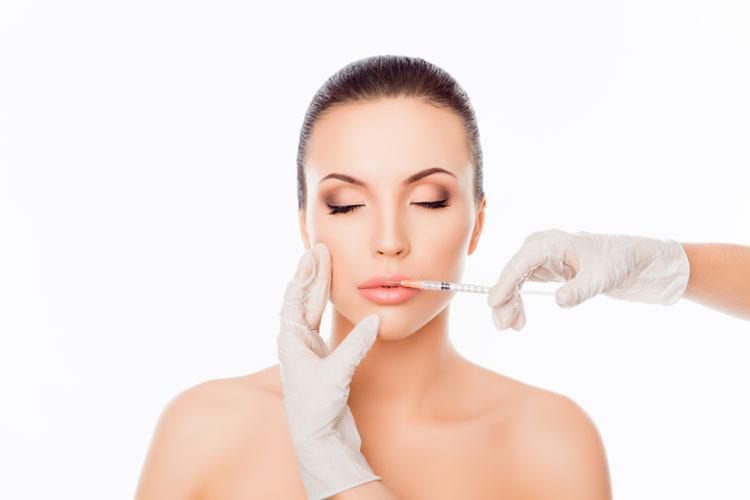
The lips are especially prone to noticeable swelling because the tissue is delicate, highly vascular, and constantly moving. Small bumps can develop during the first few days and often soften as swelling decreases.
Occasionally, a localized deposit of filler remains noticeable after the lips have healed. If a lump persists, becomes painful, or causes worsening asymmetry, contact your injector for an assessment.
Avoid squeezing or aggressively massaging lip filler bumps unless your provider specifically instructs you to do so.
When Should You Worry About Lumps After Dermal Fillers?
Most mild swelling improves without intervention, but certain symptoms deserve prompt attention.
Contact your injector if you notice:
- A lump that becomes larger or increasingly painful
- Persistent or worsening redness or warmth
- Progressive swelling rather than gradual improvement
- Drainage from the injection site
- Firm nodules appearing weeks or months after treatment
Seek emergency medical attention immediately if you experience sudden vision changes, vision loss, severe or increasing pain, or skin that becomes unusually pale, gray, dusky, or mottled after filler injections. These can indicate a serious complication involving blood flow. Contact your injector immediately as well, but do not delay emergency care while waiting for a response.
Although serious complications are uncommon, early recognition is essential.
Also Read: Botox, Juvederm, Radiesse and Xeomin: Which Injectable Treatment Is Right for You?
How Are Dermal Filler Lumps Treated?
Treatment depends on what caused the lump, the type of filler used, and how long the irregularity has been present.
Professional Evaluation
Your injector will consider when the lump appeared, whether it has changed, the treatment area, and any accompanying symptoms. This helps distinguish normal swelling from concentrated filler deposits, inflammatory reactions, or other complications.
At Elite Medical Spa Lakewood Ranch, we take these concerns seriously and evaluate the treated area before recommending corrective treatment.
Treatment Options
Mild swelling often improves on its own, so observation may be all that’s needed.
If a persistent lump is caused by hyaluronic acid filler, hyaluronidase may be an option. This enzyme breaks down hyaluronic acid and can be used in selected cases to dissolve unwanted filler.
However, dissolving filler isn’t appropriate for every lump. Suspected infections and inflammatory reactions require different management, and treatment should follow a professional assessment.
How Can You Reduce the Risk of Bumps After Fillers?
Choosing an experienced injector is an important part of achieving smooth, natural-looking results. Appropriate product selection, careful placement, and a thorough understanding of facial anatomy can help reduce the likelihood of noticeable irregularities.
After treatment, follow your provider’s instructions and avoid unnecessary pressure or aggressive massage of the injected area. Attempting to smooth out a bump yourself may worsen irritation or interfere with how the filler settles.
If something doesn’t look or feel right, contact your injector before trying to correct it at home.
How Long Do Filler Lumps Take to Go Away?
Mild swelling commonly improves within several days, although some residual firmness may last approximately two weeks or longer, particularly in the lips.
Healing time varies depending on the treatment area, the amount and type of filler, and your individual response.
A lump that continues to grow, remains unchanged beyond the expected healing period, or becomes painful should be evaluated. Delayed nodules may require a different approach than bumps that appear immediately after treatment.
Also Read: Juvederm vs. Radiesse for Facial Contouring: How Providers Decide Which Filler Fits Your Goals
Have Questions About Dermal Filler Lumps? We’re Here to Help
Small bumps after filler injections are often temporary, but you shouldn’t have to guess whether an unexpected change is normal. Understanding the cause helps determine whether additional healing time or professional treatment is needed.
At Elite Medical Spa Lakewood Ranch, our team takes a careful, personalized approach to dermal filler treatments and follow-up care. Whether you’re considering fillers for the first time or have concerns about a previous treatment, we’re here to answer your questions.
Contact Elite Medical Spa Lakewood Ranch to schedule a consultation and learn more about your options.
Frequently Asked Questions
Why Do I Have Small Lumps After Dermal Filler Injections?
Common causes include temporary swelling, fluid retention, and filler concentrated in a small area or placed close to the skin’s surface. Less commonly, lumps may develop because of inflammation or other reactions.
Are Lumps After Dermal Fillers Normal?
Small, soft bumps can occur during early healing and often improve as swelling subsides. Persistent, enlarging, or painful lumps should be evaluated by a qualified provider.
How Long Do Small Filler Lumps Last?
Swelling-related bumps often improve within several days to approximately two weeks. Some areas take longer to settle. Persistent lumps may require professional assessment.
What Causes Hard Lumps Under the Skin After Fillers?
Hard lumps may result from localized filler deposits, inflammatory nodules, or other tissue reactions. An examination is necessary to determine the cause and appropriate treatment.
Can Dermal Filler Lumps Go Away on Their Own?
Yes. Many early bumps caused by swelling resolve naturally. However, lumps that persist, become painful, or appear long after treatment may require medical evaluation.
Disclaimer: This article was written under the guidance of Elite Med Spa Lakewood Ranch and is for educational purposes only. The content contained herein does not constitute professional medical advice. Speak with a licensed provider of dermal fillers for questions about your health and appearance.